
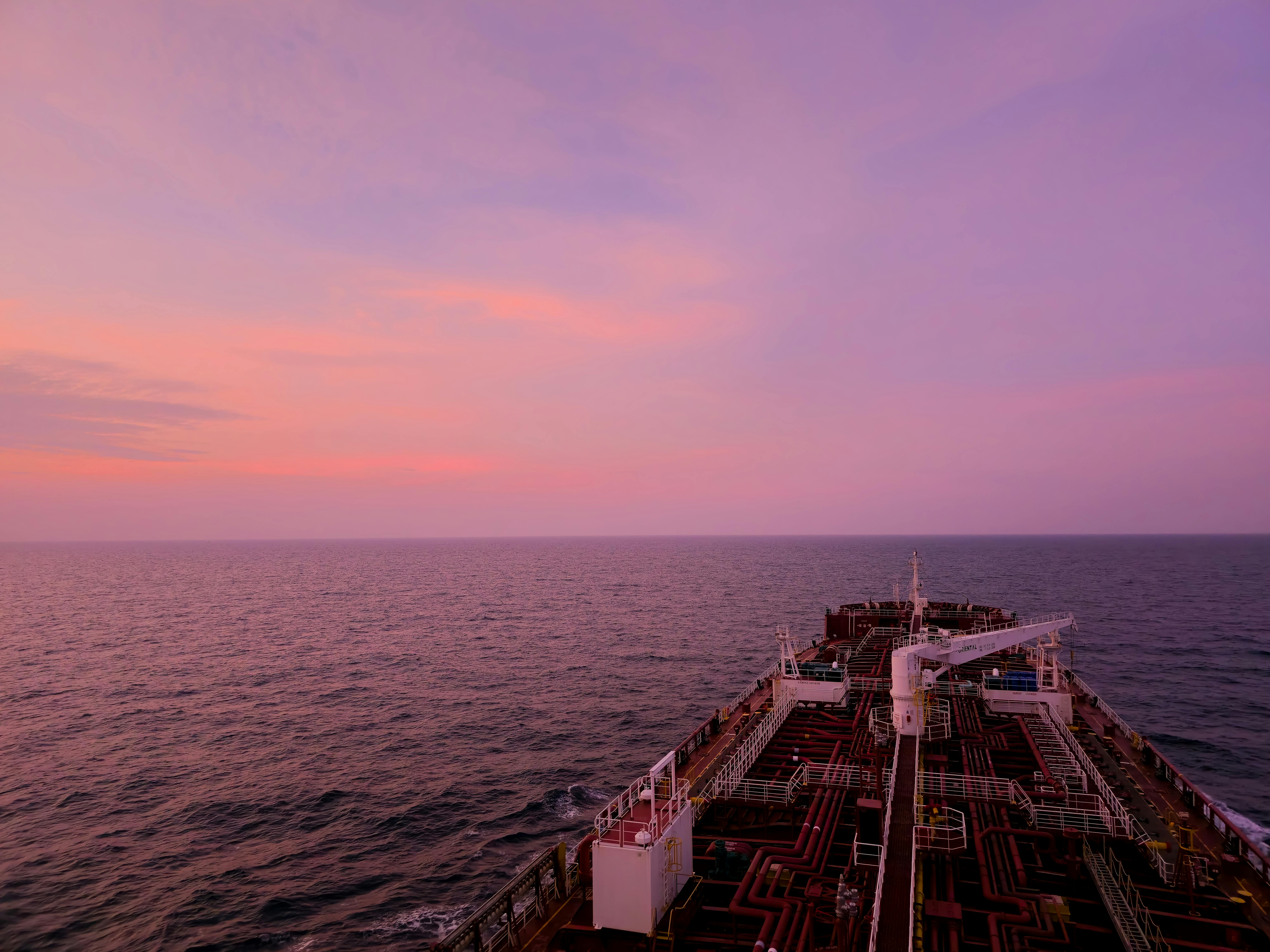
Transportation Activities
Our transportation activities include:
Chartering of tankers and bulk carriers on voyage and time charter basis
Vessel nomination and scheduling
Coordination of loading, discharge, and port operations
Management of voyage documentation and reporting
We work closely with shipowners, operators, and brokers, placing strong emphasis on clear communication, realistic scheduling, and smooth operational execution.
Cargo Overview and Transportation Specifics
Crude Oil
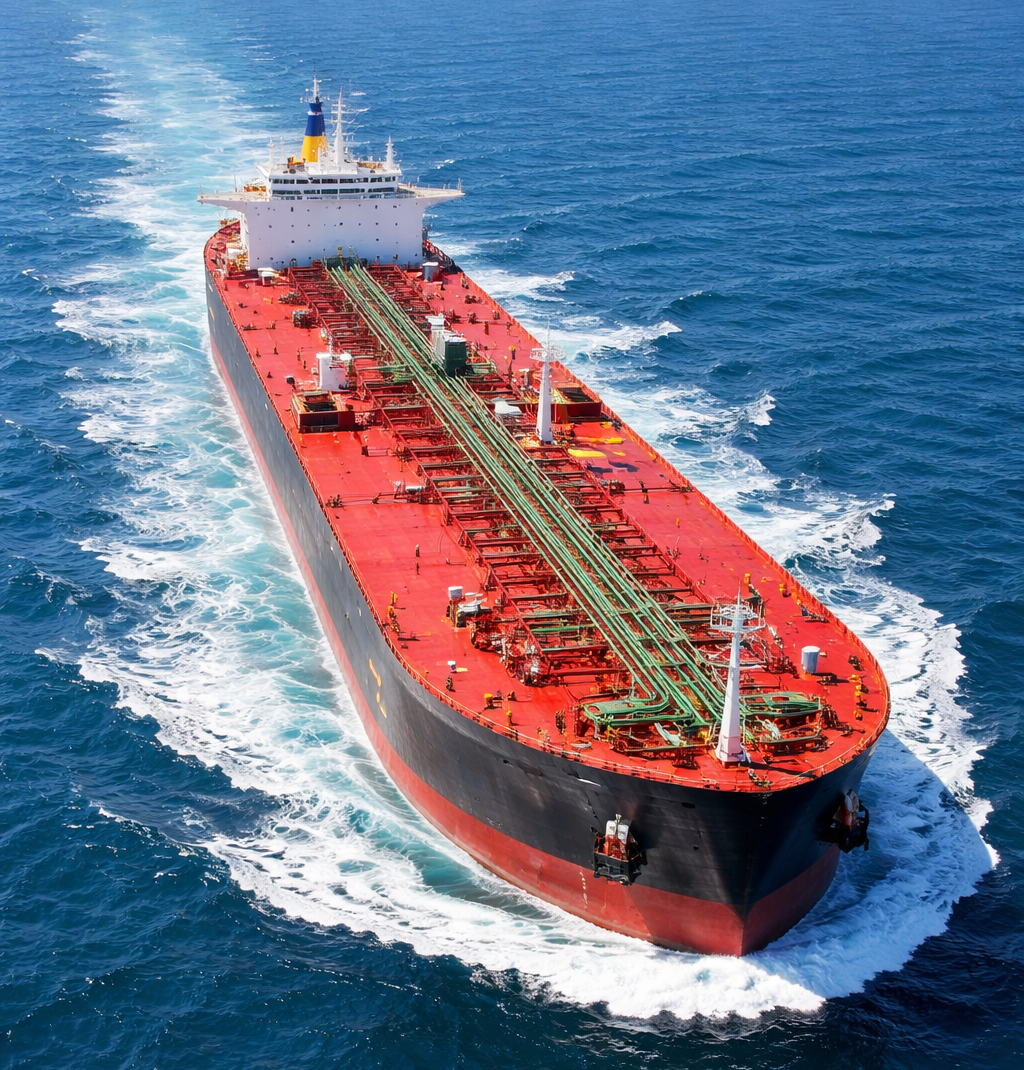
Crude oil is an unrefined petroleum product extracted directly from oil fields and transported for processing at refineries. It is typically moved in large volumes and requires specialized tanker vessels designed for liquid bulk cargo.
Transportation involves careful coordination of loading programs, tanker suitability, and terminal procedures. Cargo properties such as density and temperature influence handling, pumping, and discharge operations. Successful shipment depends on alignment between cargo characteristics, vessel capabilities, and port infrastructure.
Fuel Oil
Fuel oil is a heavy petroleum product used primarily in power generation, marine fuel supply, and industrial applications. It varies in viscosity and handling requirements depending on grade and specification.
Transportation requires vessels equipped to manage heating and pumping conditions, as many grades require temperature control to maintain flow characteristics. Coordination with terminals and storage facilities is essential to ensure smooth loading and discharge.
Refined Petroleum Products
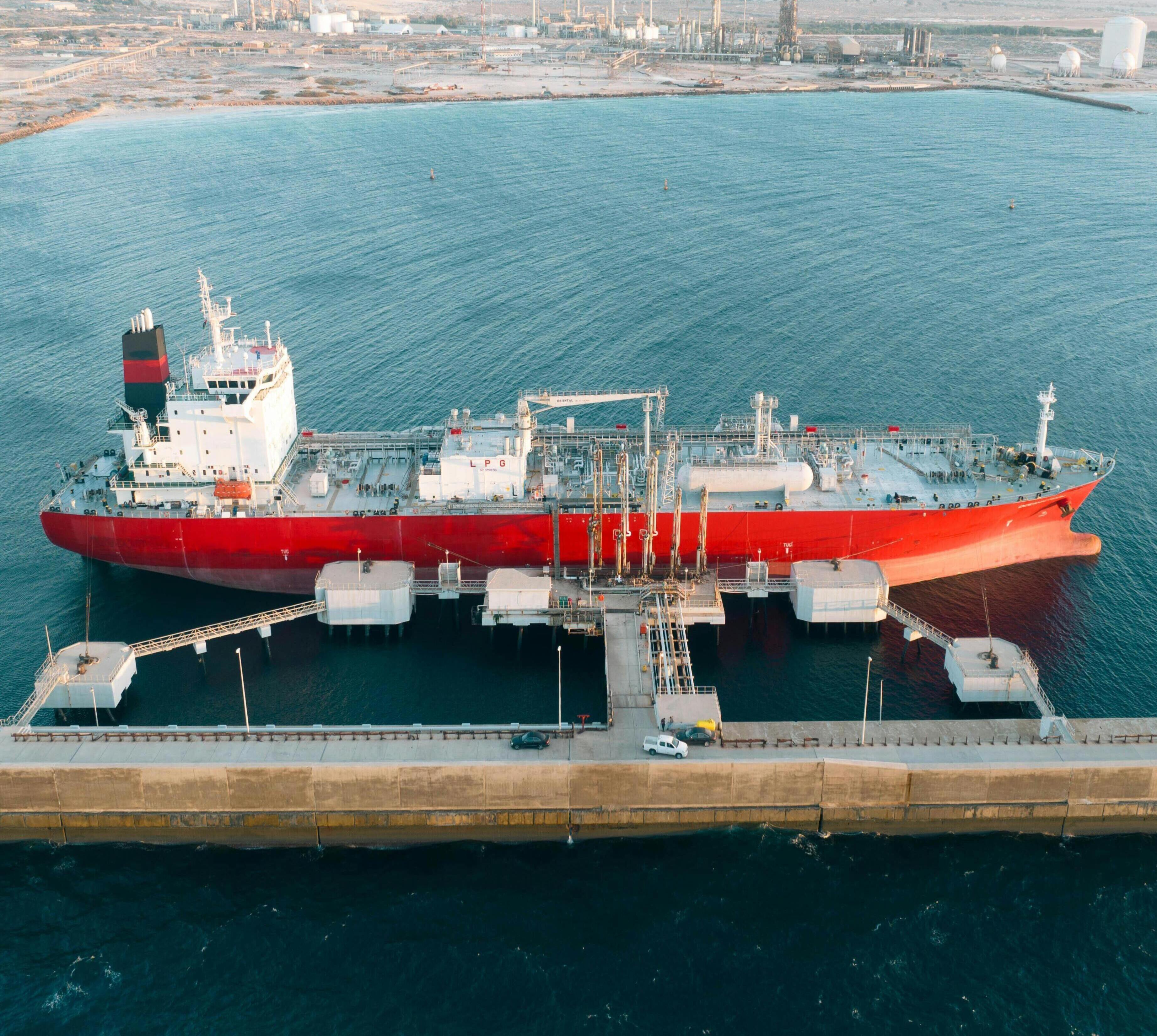
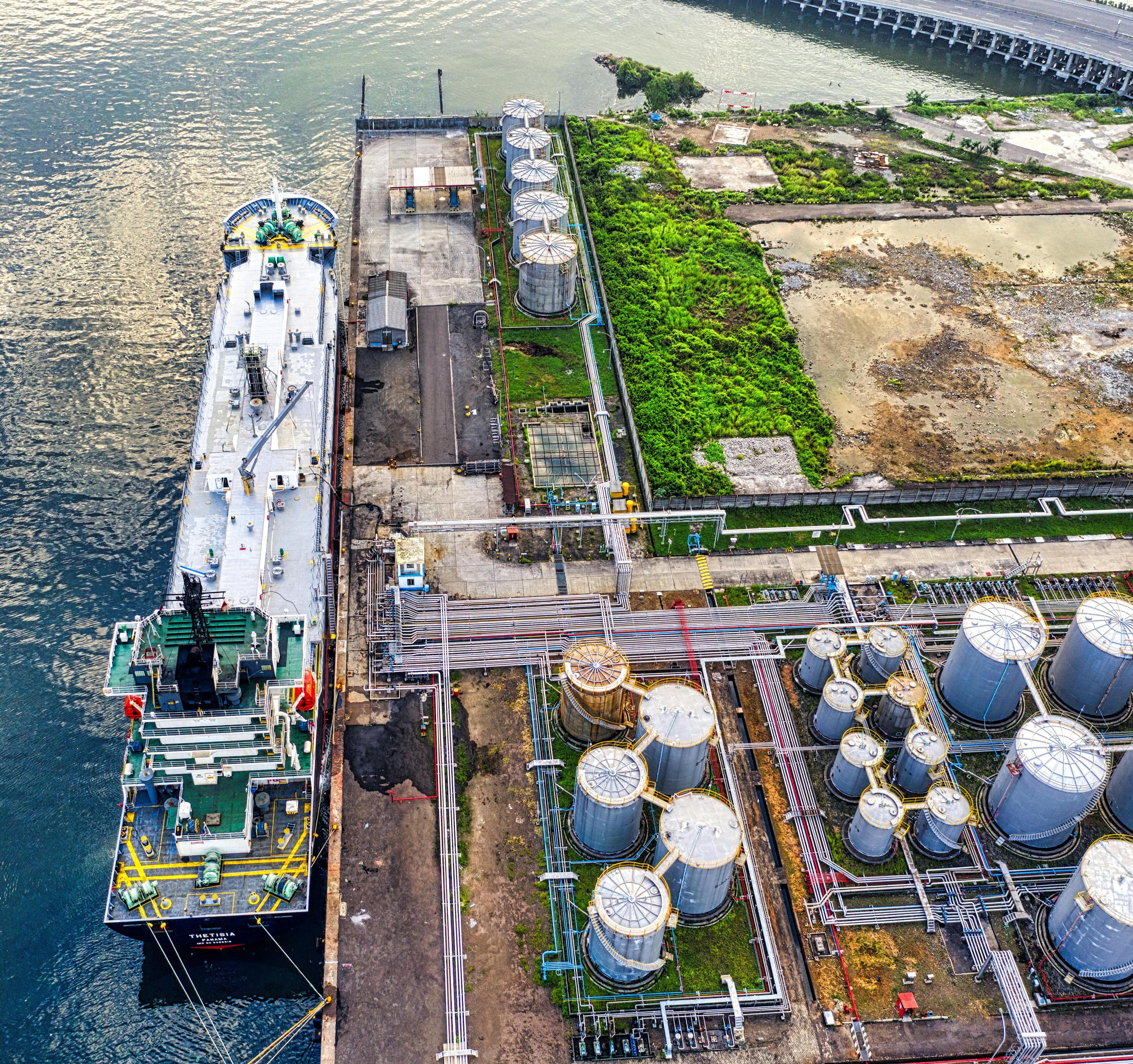
Refined petroleum products include diesel, gasoil, gasoline, and other processed fuels derived from crude oil. These products require strict compliance with quality specifications and contamination prevention.
Transportation is typically carried out using product tankers with segregated tanks and controlled handling procedures. Tank cleanliness, compatibility, and terminal coordination are critical to maintaining product integrity throughout the voyage.
Fertilizers
Fertilizers are bulk agricultural commodities used to support crop production and soil productivity. They are commonly transported in dry bulk form and require careful handling to protect cargo condition during loading, transit, and discharge.
Transportation planning takes into account vessel type, cargo hold condition, moisture sensitivity, and port handling capabilities. Efficient coordination ensures cargo safety and minimizes operational disruptions.
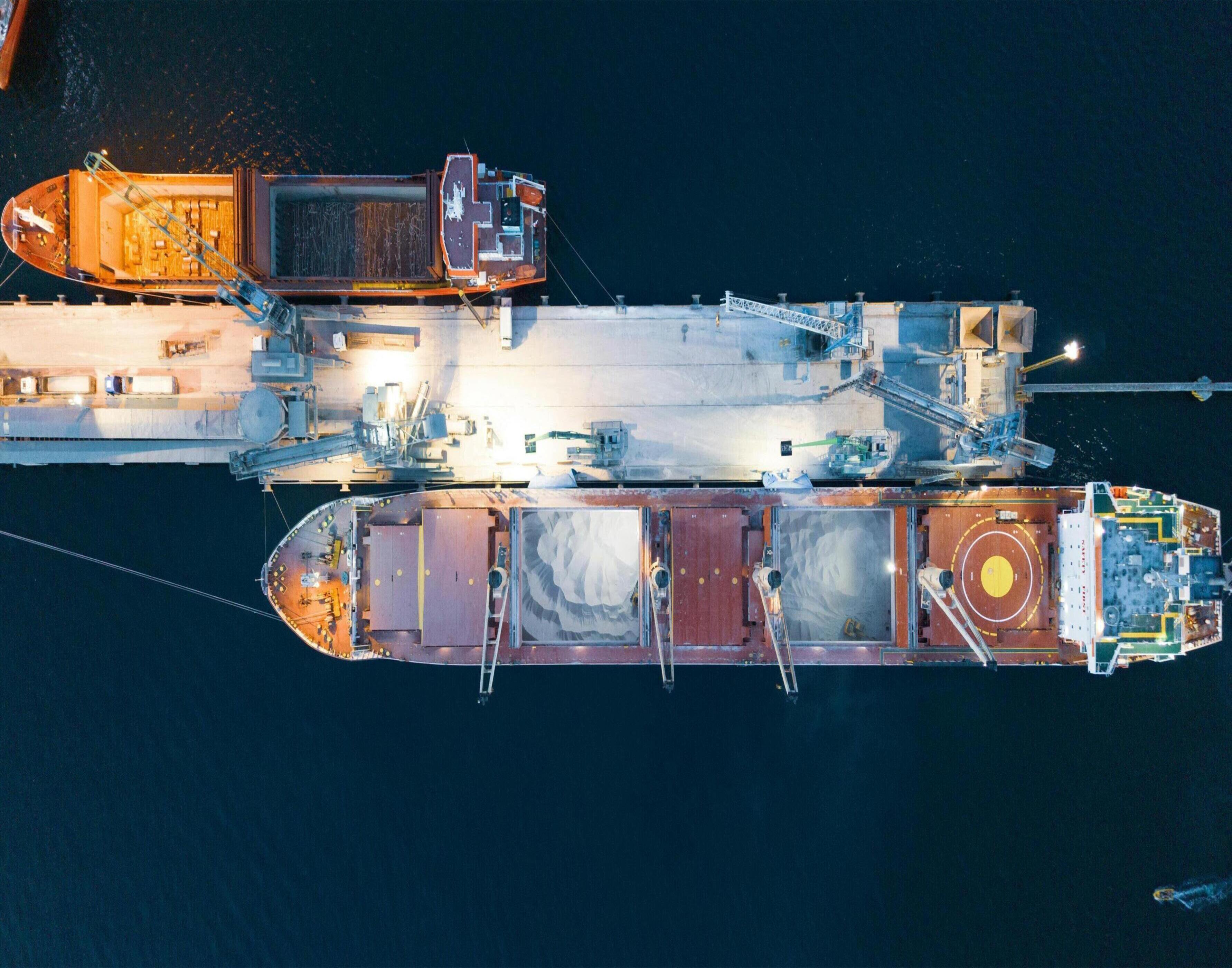
Vessel Types
The selection of vessel type and chartering structure is a key part of transportation planning. NAURIS COMMODITIES aligns cargo characteristics, voyage requirements, and port conditions with appropriate vessel profiles to support safe and efficient delivery.
We work with established shipowners, operators, and brokers to identify suitable tonnage and structure chartering arrangements in line with operational and commercial requirements.
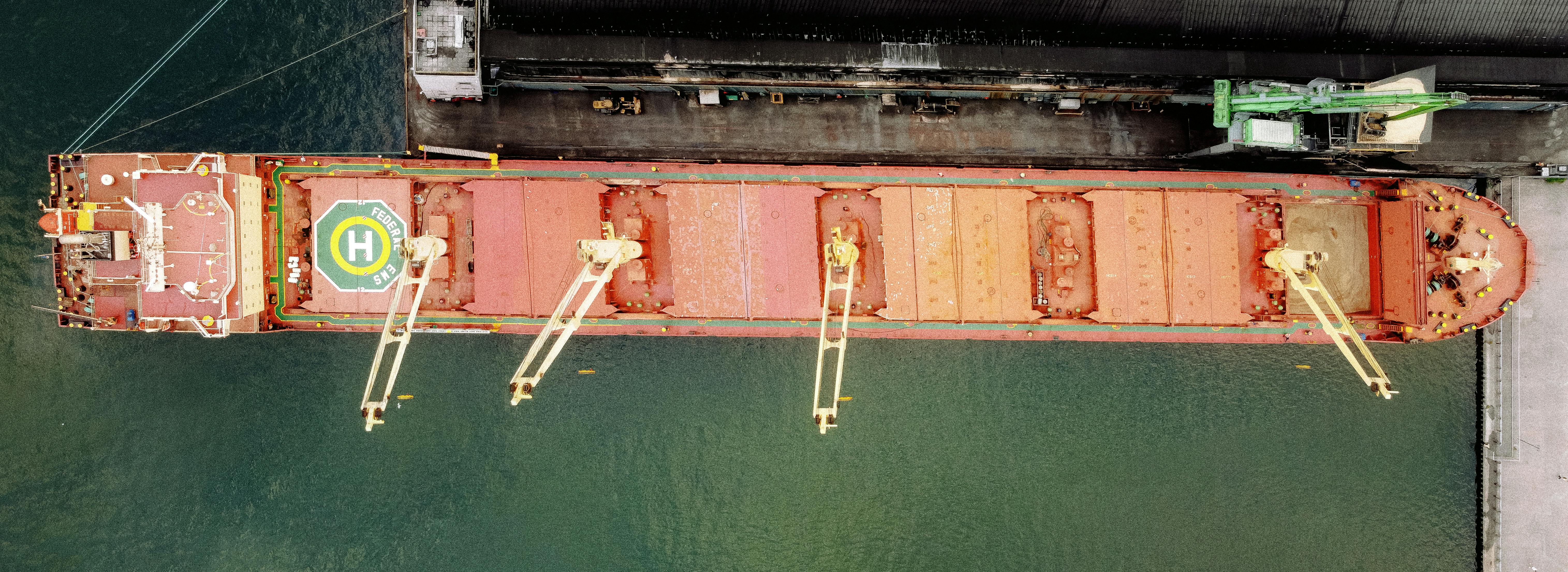
Depending on cargo and route, transportation may involve different vessel categories:
Crude Oil Tankers
Used for transportation of crude oil in large volumes. Vessel suitability is assessed based on cargo characteristics, terminal compatibility, and voyage profile.
Product Tankers
Used for refined petroleum products and certain fuel grades requiring segregation, tank cleanliness, and controlled handling conditions.
Fuel Oil Transportation
Vessel selection considers heating capability, pumping systems, and compatibility with cargo specifications and terminal requirements.
Dry Bulk Carriers
Used for fertilizer shipments and other bulk cargoes, with attention to cargo hold condition, handling methods, and port infrastructure.
Chartering Structures

Transportation is arranged using standard chartering frameworks depending on cargo, timing, and operational priorities:
Voyage charter arrangements for cargo-specific shipments
Time charter structures where scheduling flexibility is required
Coordination with brokers and operators for tonnage availability
Alignment of charter terms with cargo handling and delivery requirements
The objective is to match each cargo movement with an appropriate chartering structure that supports predictable execution and operational clarity.
Operational Considerations
Chartering decisions are guided by:
vessel suitability for cargo type
compliance with safety and operational standards
port restrictions and terminal procedures
scheduling reliability and voyage planning
communication between shipowners, operators, and cargo interests
We approaches chartering as a practical, execution-driven process aimed at ensuring that transportation supports the commercial and logistical structure of each transaction.